4 Defining Factors We Use to Select High-Performing Engineers of Record in Clean Energy
May 19, 2026
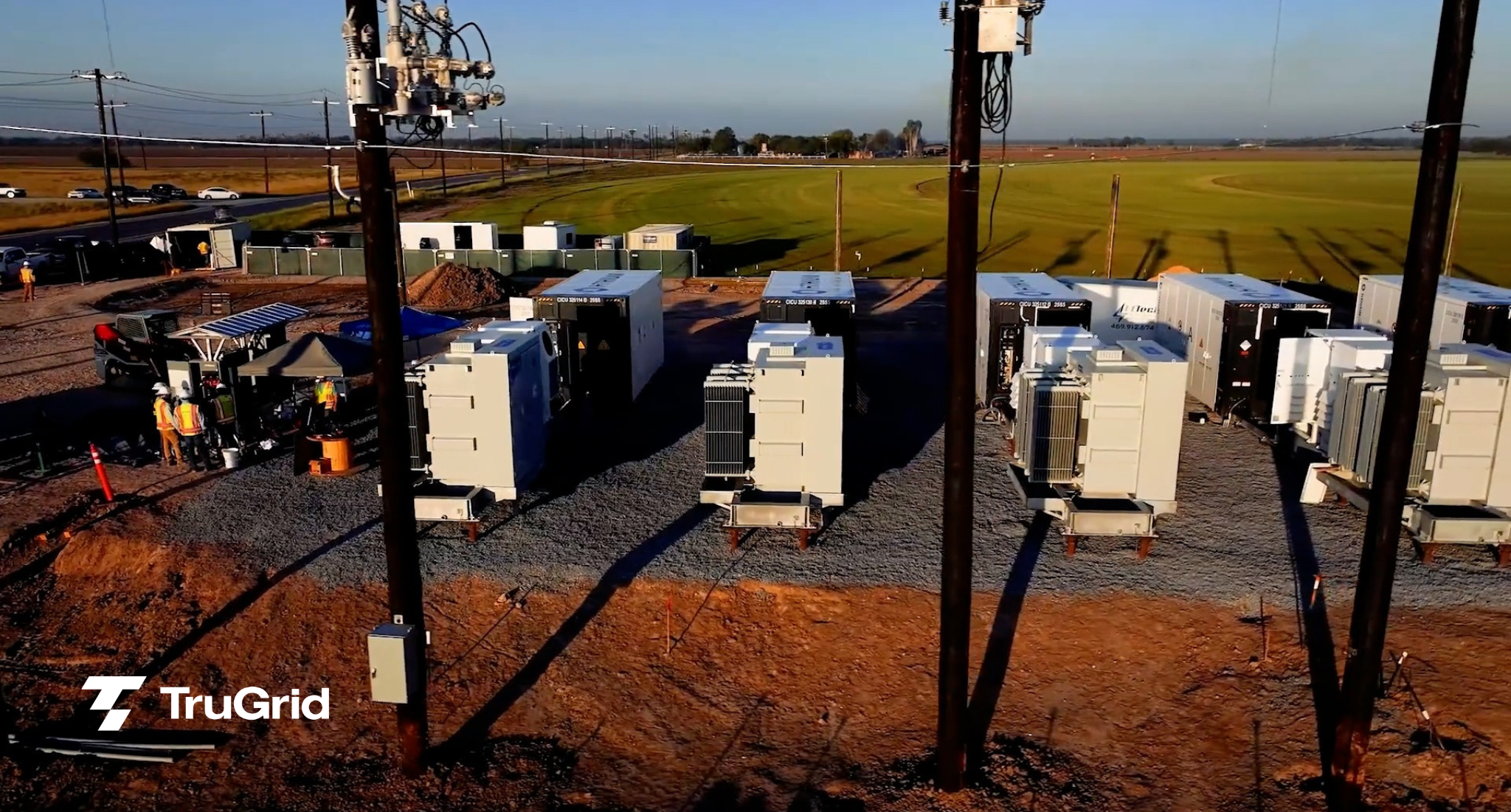
Change orders. Delays. Performance risks. Compliance challenges. Reliability issues.
Those are all potential outcomes in an energy construction project that no one wants to hear, but they can all be addressed through a disciplined approach in selecting the right engineer of record (EOR). The difference often comes down to how the EOR is evaluated long before issues ever reach the field.
“At a previous firm, I saw projects get delayed six weeks because of a protection coordination gap that a better-qualified EOR would have caught in design,” says TruGrid Vice President of Engineering Chris Lomibao. “The firm had solid references and had done similar projects. The selection process didn’t ask the right questions.”
That’s a pattern seen repeatedly across utility-scale solar, standalone BESS, and hybrid projects. When EOR selection is treated as a procurement step rather than a risk management decision, it shows up in requests for information (RFI), redesigns, and schedule slippage.
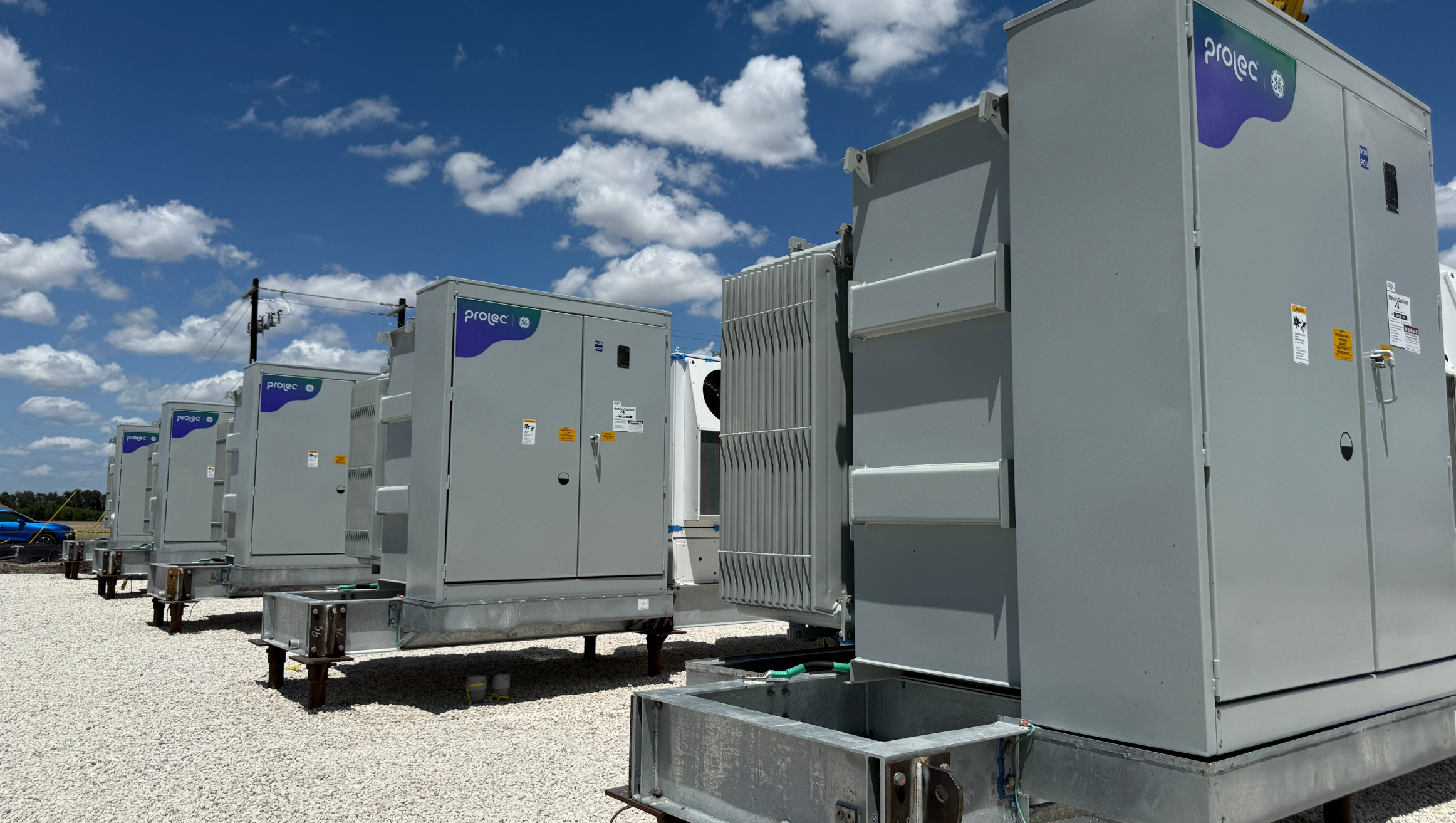
TruGrid team continues driving safe and efficient project execution in the field.
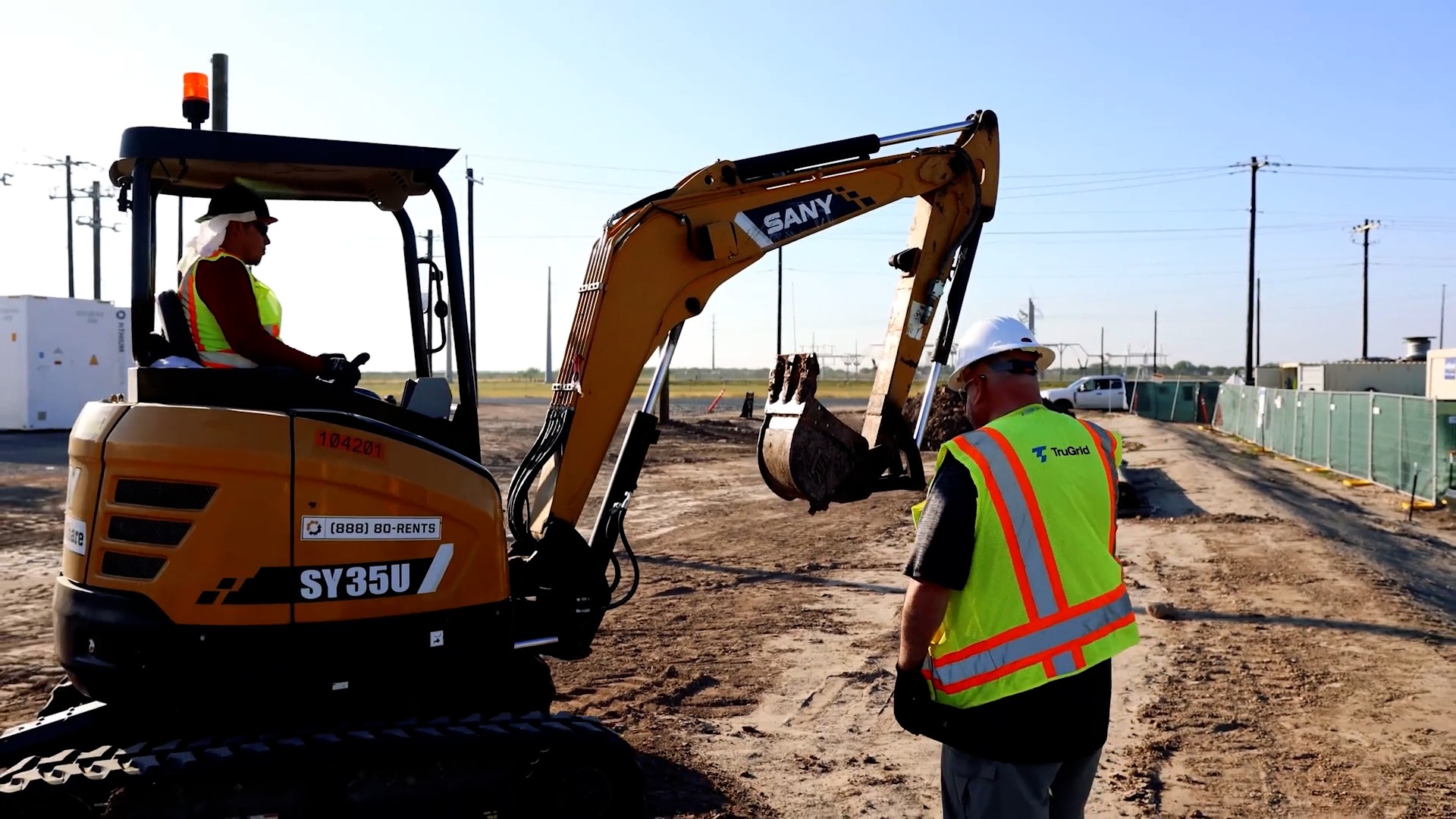
Crews coordinating onsite to support the next phase of construction.
What Actually Matters in EOR Selection
After working across the renewable energy sector, the TruGrid team has identified what specifically separates high-performing EOR partnerships from the ones that drain schedule and margin. Beyond
looking at an engineering firm’s experience, a few critical factors consistently define success.
1. Extensive Knowledge
Battery energy storage systems (BESS) demand a higher bar. Evolving codes, utility interconnection requirements, and specific commissioning complexities with original equipment manufacturers (OEMs) mean BESS EORs need to be ahead of the curve, not learning on your project. We apply heightened scrutiny to this. Protection schemes, thermal management, and commissioning readiness are non-negotiable.
According to 2026 data from the Solar Energy Industries Association, the United States is set to install 601 gigawatt hours of energy storage by 2030. That includes a 270% increase in utility-scale energy storage deployment. As BESS deployment accelerates, EOR selection becomes increasingly critical to project success. The right partner helps reduce risk, improve execution certainty, and support long-term system performance in an increasingly complex energy landscape.
2. Partnership and Communication
Collaboration behaviors are chronically underweighted. The best EORs don’t just produce drawings; they communicate clearly across owners, EPCs, OEMs, and utilities. Internally, they communicate clearly across each engineering discipline to ensure proper alignment. Regulated document control and fast, well-reasoned RFI responses can protect your schedule in ways that technical credentials alone don’t capture.
A study published by Navigant Construction, titled “Impact & Control of RFIs on Construction Projects,” found that RFI reviews and responses create significant costs on construction projects. The study estimated that administrative overhead related to RFIs averages nearly $860,000 per project. Even on projects with just 100 RFIs, companies can expect to spend more than $107,000 managing reviews, responses, and communication workflows alone. Beyond the administrative costs, ineffective RFI management can also lead to schedule delays, added project costs, and reputational impacts that affect overall project execution.
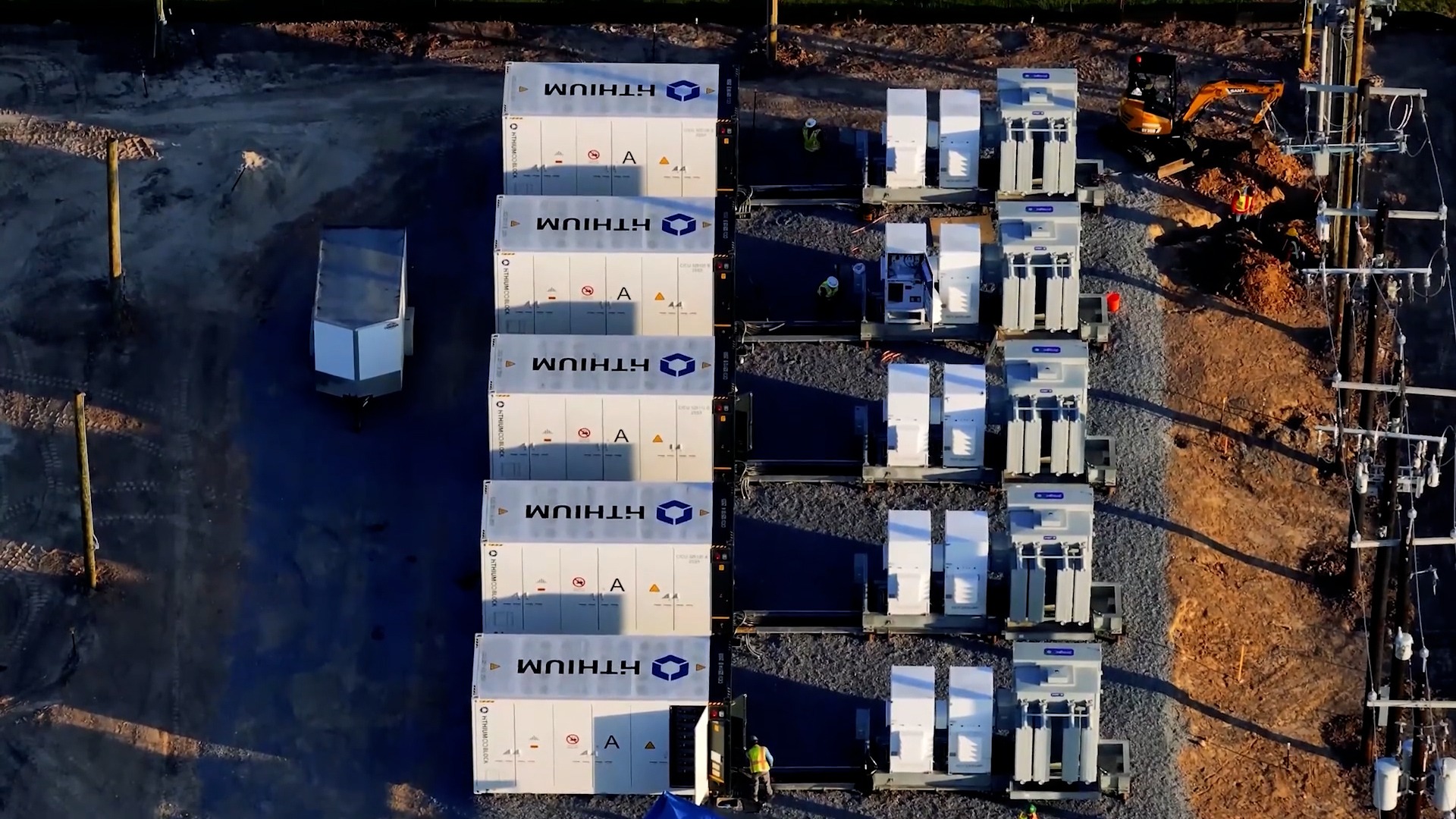
Project progressing toward final stages of construction and commissioning.
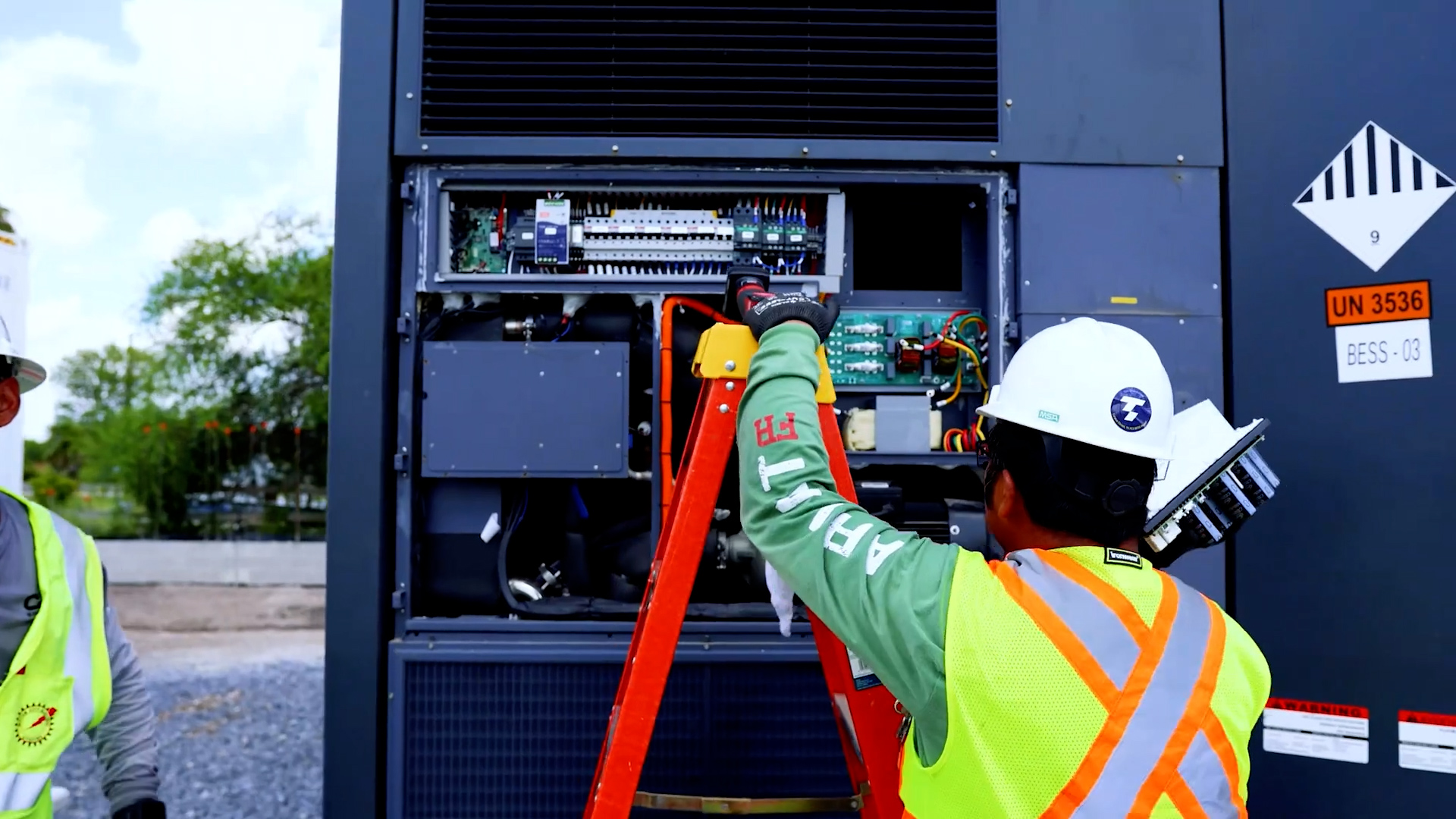
Technicians performing system checks and electrical work as the project advances.
3. Dexterity & Competence
It’s critical to evaluate constructability awareness, not just design competence. EPCs need to ask EORs if their team can handle vendor variability and rapid design iterations without compromising engineering defensibility. That’s often what separates a design that looks good on paper from one that actually performs in the field.
4. Engagement Availability
Timing is everything. EOR selection that happens after interconnection submittals or equipment procurement limits your options and presents unnecessary risks. The right partner needs to be engaged before key design decisions are made, not after the project has already defined its constraints.
What Good EOR Selection Delivers
When the EOR selection process is done right, it shows up in cleaner design packages, smoother utility engagement, fewer late-stage corrections, and construction that follows the plan. It also gives project stakeholders, including owners, lenders, and offtakers confidence that engineering decisions are transparent, consistent, and defensible.
As renewable infrastructure scales, disciplined EOR selection will remain a cornerstone of bankable project delivery. It’s not a formality. It’s one of the highest-leverage decisions an EPC team makes.
If you’re working through EPC and EOR selection for solar, BESS, or hybrid portfolios and want a more structured, execution-focused approach to improving outcomes, we’d be glad to share more details about how we evaluate and align EOR partners across our projects.
Reach out at sales@trugridpower.com.