5 Brutally Honest Reasons EPCs Fail at BESS
February 6, 2025
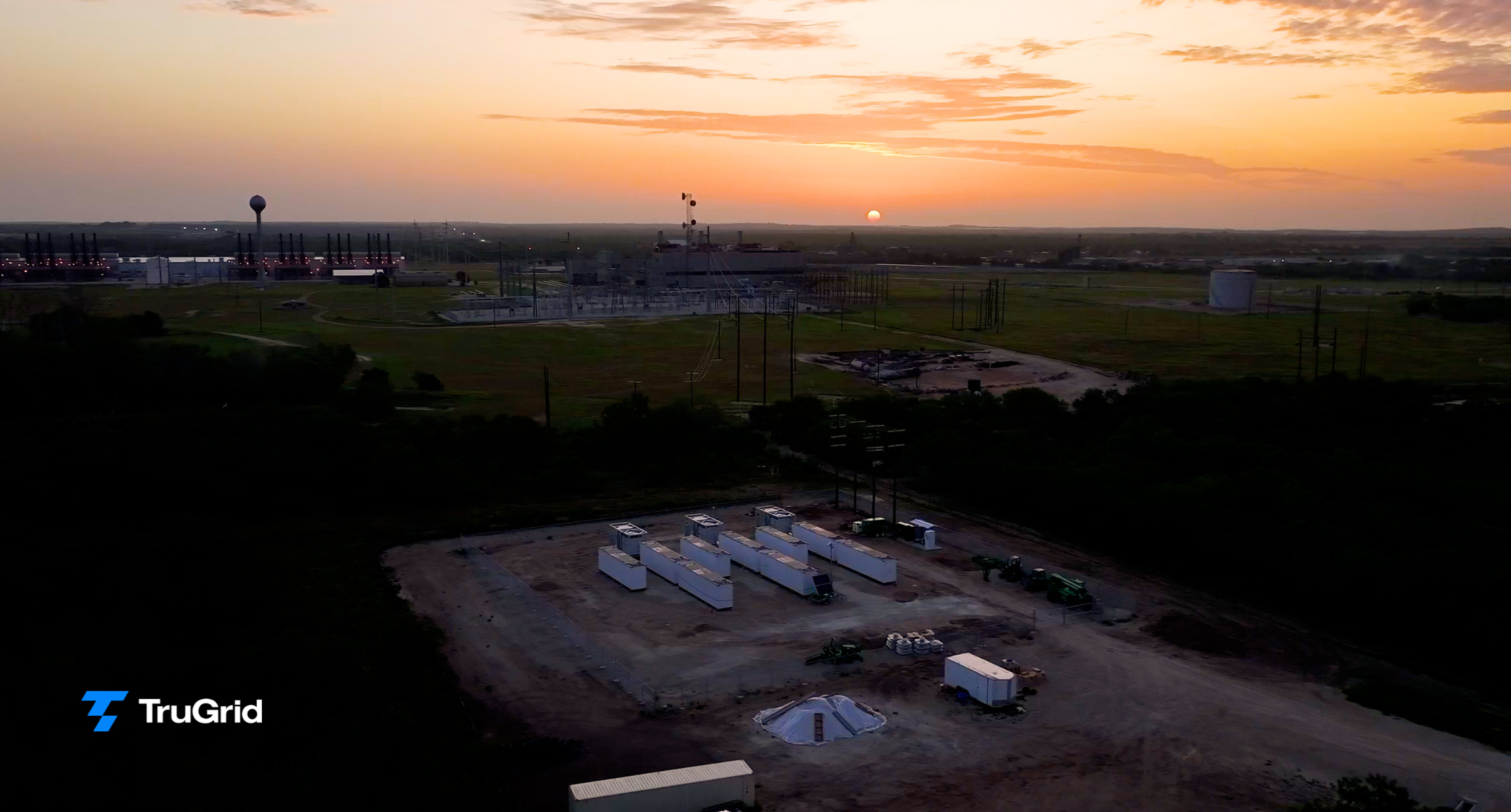
Battery energy storage systems (BESS) are becoming indispensable for integrating stored energy into the grid and ensuring reliable power. Yet, many engineering, procurement, and construction (EPC) firms struggle to deliver successful BESS projects. While these systems are complex, issues often stem from avoidable mistakes. Here are the five brutally honest reasons EPCs fail at BESS construction.
1. Failure to Pretest Technology
One of the most common reasons for delays in BESS construction is the failure to pretest and validate technology before deployment. Without rigorous pretesting, unexpected compatibility issues and performance gaps can derail commissioning and delay the commercial operation date (COD).
Solution: TruGrid thoroughly pretests and validates all components at our integration and test facility to ensure seamless integration. From inverter settings to battery management systems (BMS), every element is scrutinized in advance, guaranteeing smooth commissioning and on-time COD.
2. Circumstantial Commissioning Delays
EPCs often lose valuable time during the commissioning phase due to a lack of intentionality in planning. When commissioning becomes an afterthought, unforeseen issues can arise, throwing off project schedules and increasing costs.
Solution: We approach commissioning as a critical forethought. By identifying potential bottlenecks early and addressing them proactively, we ensure a streamlined process that keeps projects on schedule.
3. Just-in-Time Manufacturing Challenges
The reliance on just-in-time manufacturing can introduce significant risks, particularly with DC blocks and their state of degradation. Without proper supply chain strategies, equipment storage, and component maintenance, EPCs face delays and reduced power density at critical stages of construction.
Solution: TruGrid emphasizes strategic procurement and intentional storage methodology. We ensure that equipment is maintained in optimal condition or work with vendors to guarantee readiness, safeguarding power density and project timelines.
4. Underestimating Software Design and Integration
Due diligence with software design and integration is often overlooked, leading to major hurdles in system performance. When software integration is treated as an afterthought, it can cause delays, compatibility issues, and costly rework.
Solution: We prioritize software design and integration from the outset of our EPC process, ensuring that hardware and software function seamlessly together. Our proactive approach minimizes disruptions and optimizes system performance.
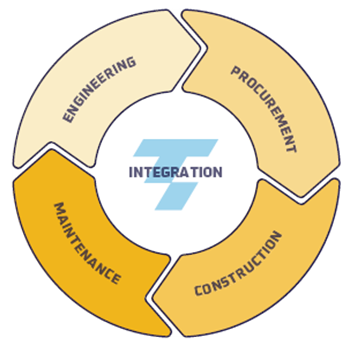
At TruGrid, integration is considered in every step of the EPC process. This ensures total coordination, alleviating start-up challenges and efficiently commissioning projects.
5. Lack of Experience
Building a solar array is not the same as constructing a BESS facility. However, many renewable EPCs are often contracted to perform BESS work. Energy storage projects require specialized knowledge in electrical, mechanical, and software integration. EPCs with limited experience often underestimate the nuances of battery technology, leading to design flaws, delays, and costly rework.
Solution: TruGrid’s leadership team has combined decades of hands-on experience with renewable energy systems. Our expertise ensures that every project is engineered with precision, avoiding mistakes driven by inexperience and delivering results on time and on budget.
Why TruGrid Is Different
At TruGrid, we understand that success in energy storage EPC projects requires more than technical expertise—it demands foresight, discipline, and a relentless focus on quality. By addressing the challenges head-on and leveraging our unmatched experience, we’ve become a trusted partner for BESS projects of all sizes.
According to the American Clean Power Association, the United States BESS market is projected to experience annual growth of 8 GW to 22 GW through 2030, driven by increasing renewable energy adoption and grid modernization efforts. This explosive growth underscores the need for reliable, experienced EPCs to deliver projects that meet the demands of this rapidly evolving sector.
If you’re ready to work with a team that knows how to deliver energy storage solutions without headaches, let’s talk. Email sales@trugridpower.com to learn how TruGrid can help your next project succeed.